CIOE 2026: Three ODN Infrastructure Trends That Will Shape Fiber Network Buildout Through 2030
By Jergeo Engineering Team | September 10, 2026 · On-site reporting from the 27th China International Optoelectronic Exposition, Shenzhen
Summary
The 27th China International Optoelectronic Exposition (CIOE 2026) opened on September 9 in Shenzhen with 4,000+ exhibitors from over 30 countries and a record 101,741 visitors on day one — up 38% from last year. While the headline-grabbing products were 1.6T optical modules and NPO/CPO engines, the signals that matter most for ODN equipment buyers ran deeper. Three trends from the exhibition floor will reshape passive fiber infrastructure requirements through the end of the decade: AI data center fiber demand overtaking telecom as the primary growth driver, 50G PON deployment entering mass rollout with tighter loss budgets that demand better ODN hardware, and a structural fiber supply shortage that makes every connector, splice, and distribution port count more than ever.
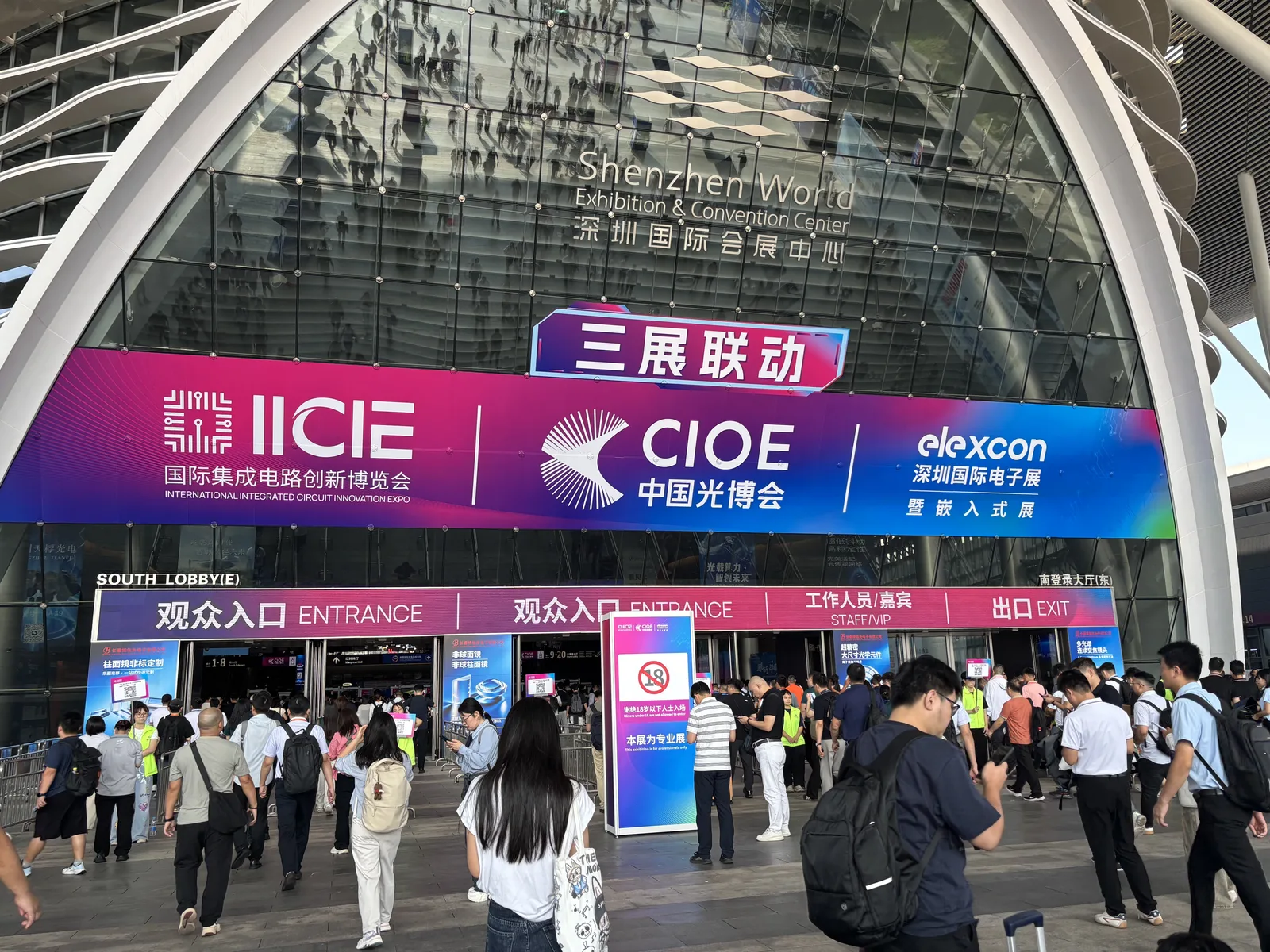
The Shenzhen World Exhibition & Convention Center was packed. The three co-located shows — CIOE for optoelectronics, IICIE for integrated circuits, and elexcon for electronics — created a foot traffic density that the venue staff in yellow vests struggled to manage at the south entrance. The opening day crowd of 101,741 was not just a China story: overseas visitor registrations grew 17% year-on-year, with English-speaking buyers visible at nearly every major booth.
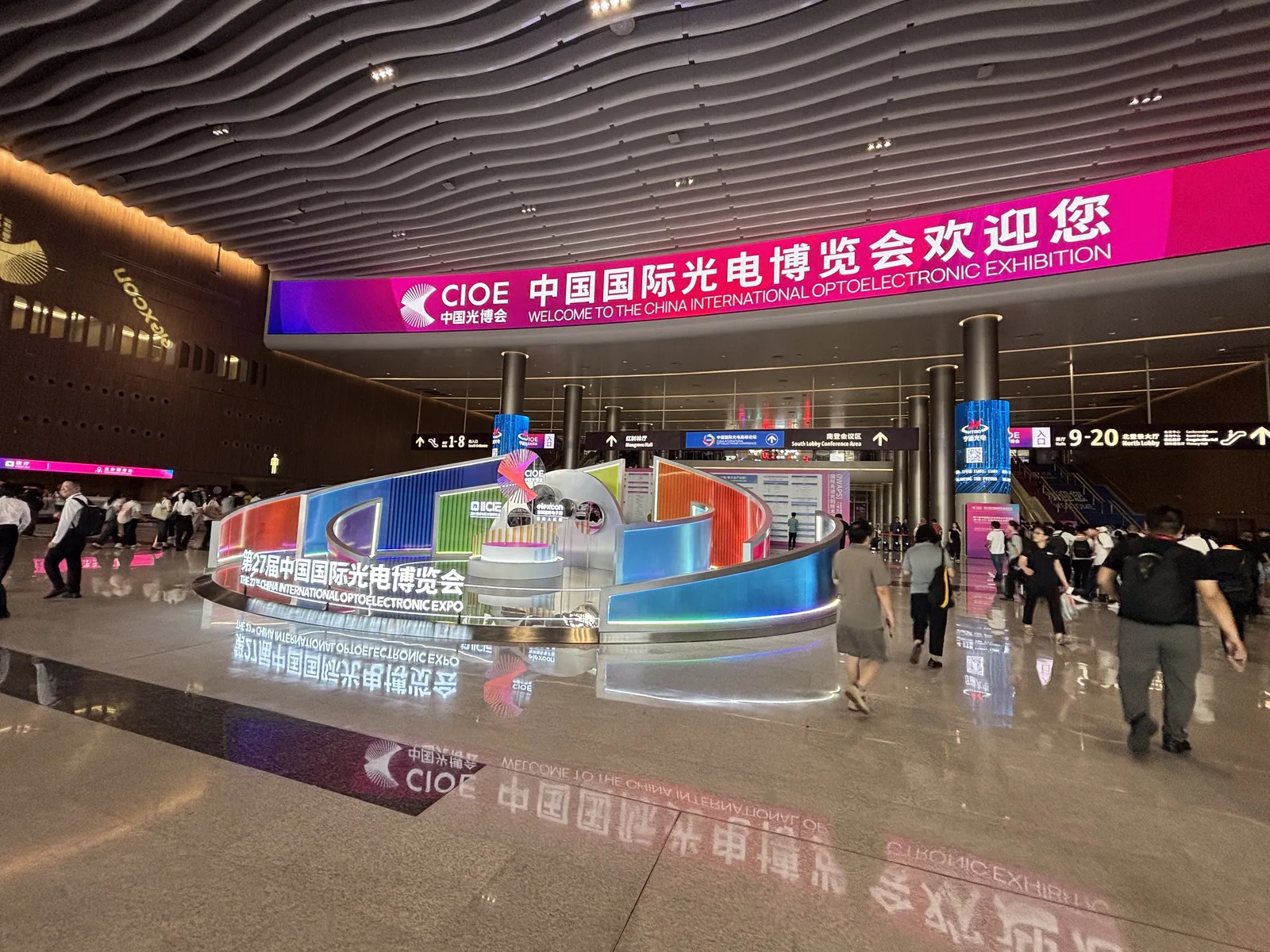
For anyone who manufactures or specifies fiber distribution cabinets, optical distribution frames, splice closures, and patch panels, CIOE is the single most important event of the year. The exhibition floor does not just display products — it reveals where the entire optical supply chain is heading over the next 12 to 24 months. Here are the three trends that stood out.
Trend 1: AI Data Centers Replace Telecom as the Primary Fiber Demand Engine
The most consequential shift in the optical industry is no longer a forecast — it is a fact. At CIOE 2026, multiple presentations and side conversations confirmed that AI data center fiber consumption has overtaken traditional telecom deployment as the dominant growth vector for optical fiber.
The numbers from CRU, cited across several CIOE presentations, tell the story clearly:
- Global data center fiber demand in 2025: 69.6 million fiber-km — up 75.9% year-on-year.
- Projected for 2026: 91.6 million fiber-km — up 32% again.
- By 2030: 128 million fiber-km, with AI-related demand accounting for over 70% of that total.
For the ODN side of the network, this volume shift changes what hardware needs to do. AI data centers do not just consume fiber — they consume it at higher density, with tighter management requirements, and in environments where every connector loss and every splice quality point matters because the alternative is wasting expensive fiber capacity.
This is why high-density fiber distribution cabinets (576-port and 1,152-port configurations) and modular ODFs with sliding tray designs are now the most discussed products on exhibition floors. Operators and data center builders are not buying more cabinets — they are buying cabinets that hold more fiber in the same footprint, with better access for the MPO trunk cables that dominate AI data center architectures.
On the component side, NPO (Near-Package Optics) and CPO (Co-Packaged Optics) — the dominant themes at this year's show — also drive passive component demand. FAUs (Fiber Array Units), which sit at the optical interface of every NPO/CPO engine, are projected at roughly 160 million units in 2026, with over 80% growth expected in 2027 as NPO moves from sampling to volume production. The entire passive component supply chain — from MPO connectors to fiber arrays to high-density patch panels — is being pulled into the AI demand cycle.
Trend 2: 50G PON Enters Mass Deployment — and the ODN Must Keep Up
The "万兆光接入" (10G Optical Access) forum at CIOE 2026, co-organized by CIOE, the China Communications学会, and CAICT (China Academy of Information and Communications Technology), laid out the most authoritative status update on 50G PON deployment to date.
CAICT Vice President Ao Li delivered the keynote. His core message: China's broadband network is at the stage of "gigabit upgrade, 10-gigabit launch," and AI applications are rewriting the value logic of broadband access — from "bit delivery" to "token delivery."
Here are the concrete deployment numbers Ao Li cited:
- 168 万兆光网 pilot projects have passed MIIT inspection nationwide.
- 32.86 million 10G PON ports deployed, covering over 500 million households.
- 10G PON ports now exceed 75% of total fixed broadband access ports.
- China has achieved "gigabit coverage in every county" nationwide.
- The 15th Five-Year Plan targets 1 million 50G PON ports.
- The ITU-T and CCSA main standards for 50G PON are fully complete, with symmetric C+ power budget supporting three-generation coexistence.
Ao Li also outlined four parallel technology tracks: 50G PON main standards complete with domestic Class C+ high-power laser chips launched; ITU's ION-2030 framework targeting 200G access rates (three competing architectures under evaluation); PON expanding from "communications network" to "sensing network" with distributed fiber sensing integrated into next-generation passive optical networks; and FTTR standards maturing at 2.5G with 10G standards under active development.
For ODN equipment, 50G PON is not a simple speed upgrade. It changes the physical requirements of the passive network:
- Tighter optical loss budgets mean splice closures must deliver lower insertion loss. A 0.1 dB improvement per splice, multiplied across millions of deployment points, translates into measurable network performance gains.
- Higher power levels in 50G PON systems require distribution hardware rated for the new operating conditions. Cabinets and ODFs designed for GPON-era power budgets may need replacement.
- ODN optimization is explicitly called out in the 15th Five-Year Plan as a priority — meaning the existing installed base of fiber distribution infrastructure will be audited, upgraded, and in many cases replaced.
Multiple equipment vendors at CIOE — Huawei, ZTE, FiberHome, and ZTE — presented 50G PON solutions in their booths. The message was consistent: the technology is ready, the standards are complete, and the question is now about deployment speed, not technical feasibility.
Trend 3: Fiber Supply Tightness Makes Passive Infrastructure a Strategic Priority
Walking the exhibition floor, one thing was impossible to miss: nearly every major optical module and fiber company had recruitment signs at their booths. "Orders exceeding capacity" was the phrase repeated across multiple conversations. The optical fiber supply chain remains structurally tight entering 2027.
The supply tightness has two sources. On the demand side, as discussed above, AI data center fiber consumption is growing faster than anyone projected even 18 months ago. On the supply side, 200G EML chips — the critical component for 1.6T optical modules — remain in shortage, directly constraining module output. Preform rod expansion projects (several announced at this year's show) take 18–24 months to come online.
For ODN equipment buyers, this supply environment creates a counterintuitive dynamic. When fiber is cheap and abundant, operators can afford to be casual about how they terminate and manage it. When fiber is expensive and supply-constrained, every fiber count matters. The quality of splice closures, the density of distribution frames, and the efficiency of fiber routing all have a direct impact on how much usable capacity you extract from each fiber-kilometer.
China's spot fiber prices tell the story. G.652D bare fiber for ground cable trades at 100–110 RMB per fiber-km. A1-grade fiber sits at 145–165 RMB per fiber-km. These are multiples of what they cost just two years ago. When the raw material is this expensive, the passive infrastructure that terminates, distributes, and protects it stops being a commodity line item and becomes a strategic part of the network design.
Several CIOE exhibitors specifically highlighted this dynamic.华脉科技 (Huamai Technology) — an information and communication infrastructure solutions provider — presented a full range of optical passive components, fiber cables, and通信机柜 products, noting that operators are increasing their procurement of ODN supporting products as they upgrade distribution networks.
What the Major Players Showed — and What It Means for ODN
The CIOE exhibition floor is always a who's-who of the optical industry. Here is what the major players showed, viewed through an ODN lens:
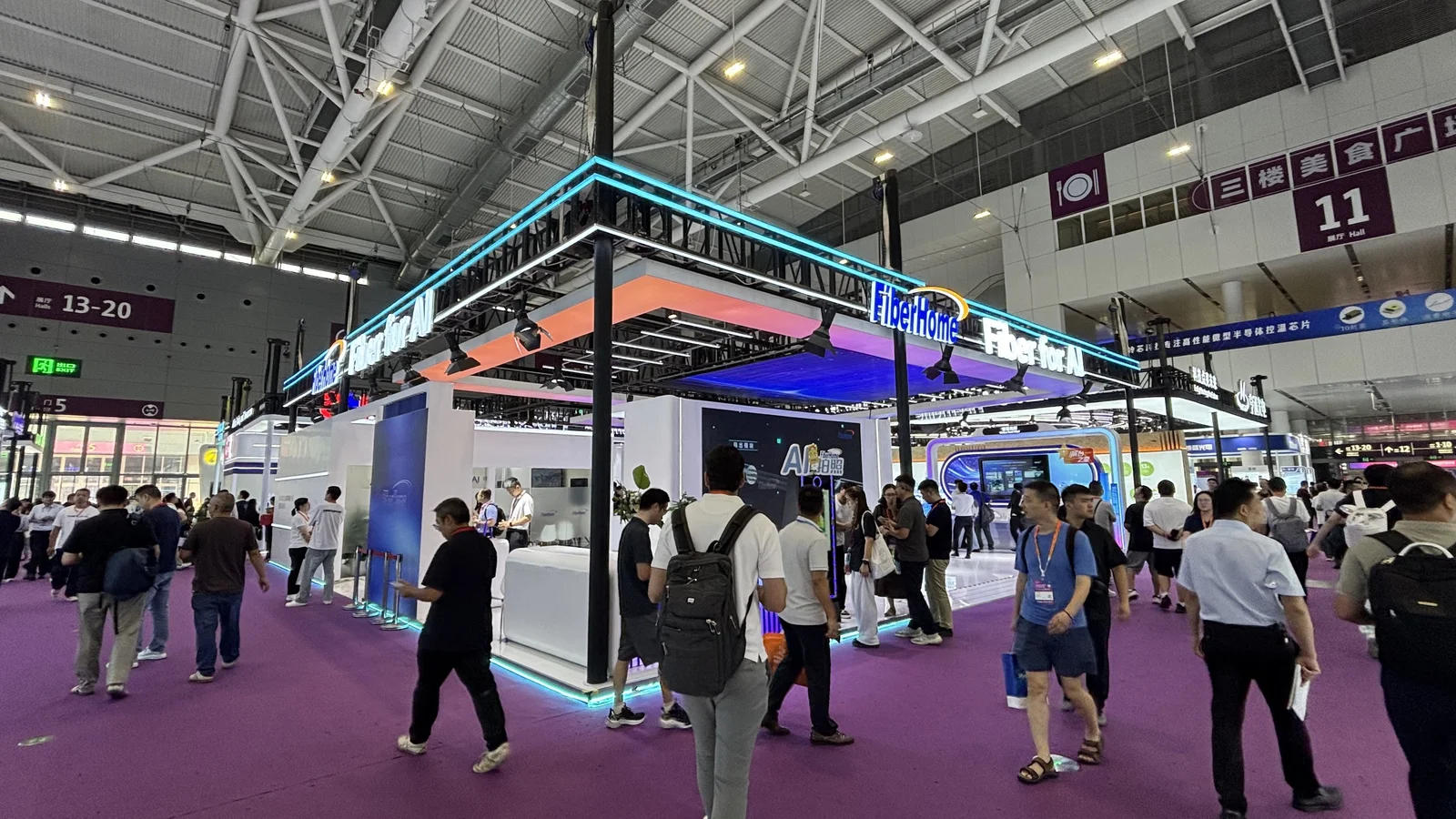
YOFC (长飞光纤) — The world's largest fiber maker showcased its CPO/NPO specialty fiber series and anti-resonant hollow-core fiber with a record-low 0.04 dB/km attenuation and single preform lengths exceeding 91 km. YOFC has delivered over 10,000 fiber-km of hollow-core fiber commercially — a global first. For ODN, YOFC's specialty fiber expansion means more diverse fiber types flowing through the same passive infrastructure, requiring distribution hardware that can handle different cable geometries and bending characteristics.
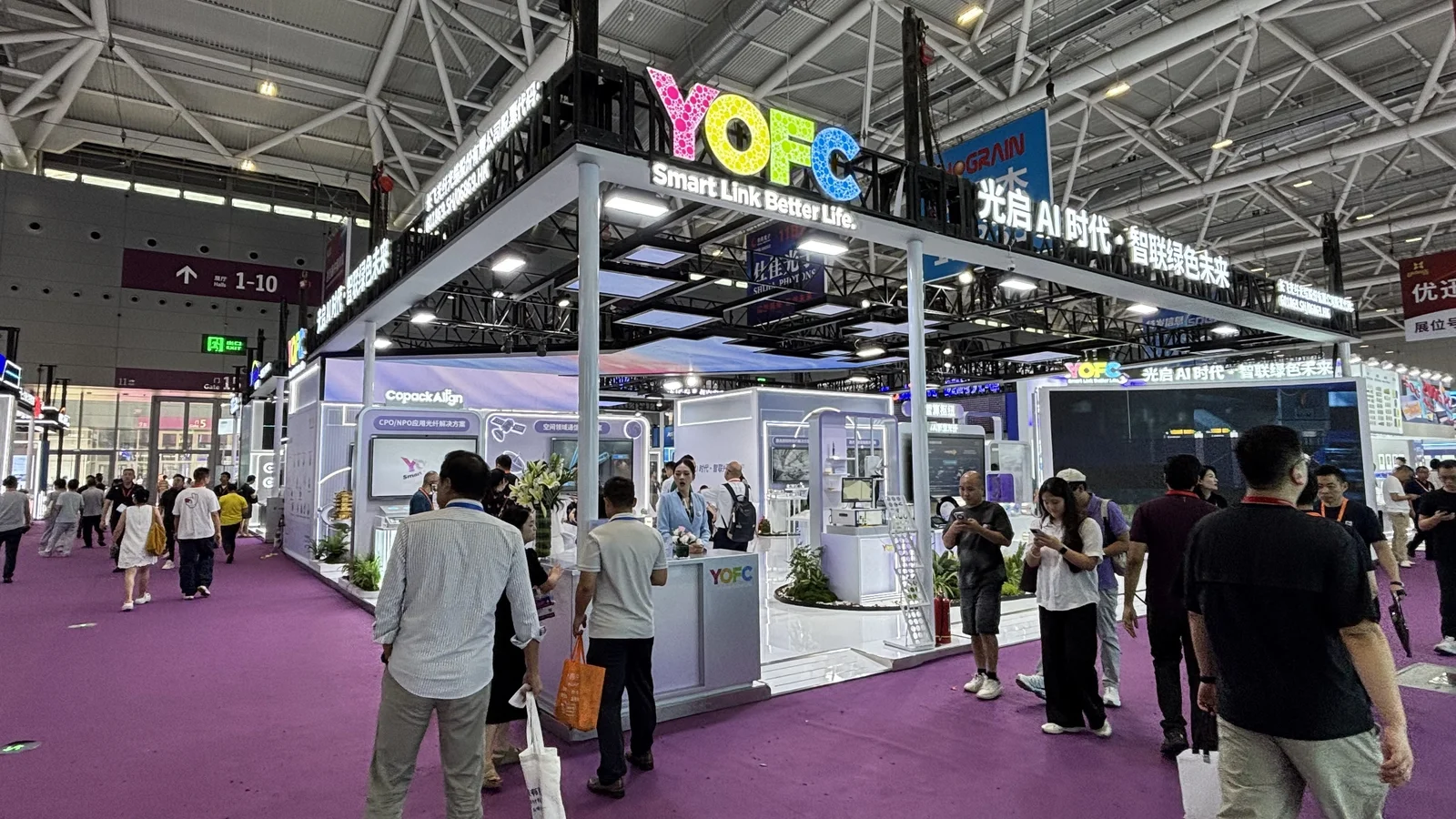
FiberHome (烽火通信) — Presented AI-driven 10G access network solutions at the万兆光接入 forum. Their technical expert discussed "智融万兆" (intelligent convergence 10G) — multi-scenario innovation for 10G access networks powered by AI. For ODN, the implication is that future distribution cabinets and ODFs may need to accommodate not just fiber, but also embedded sensing and monitoring capabilities.
Hengtong (亨通光电) — Showed high-quality development strategies centered on fiber optic solutions. Hengtong won the largest share (34.78%) of China Mobile's recent special fiber tender. As a vertically integrated player with both fiber and cable production, Hengtong's capacity expansion directly affects the volume of fiber that flows through ODN infrastructure.
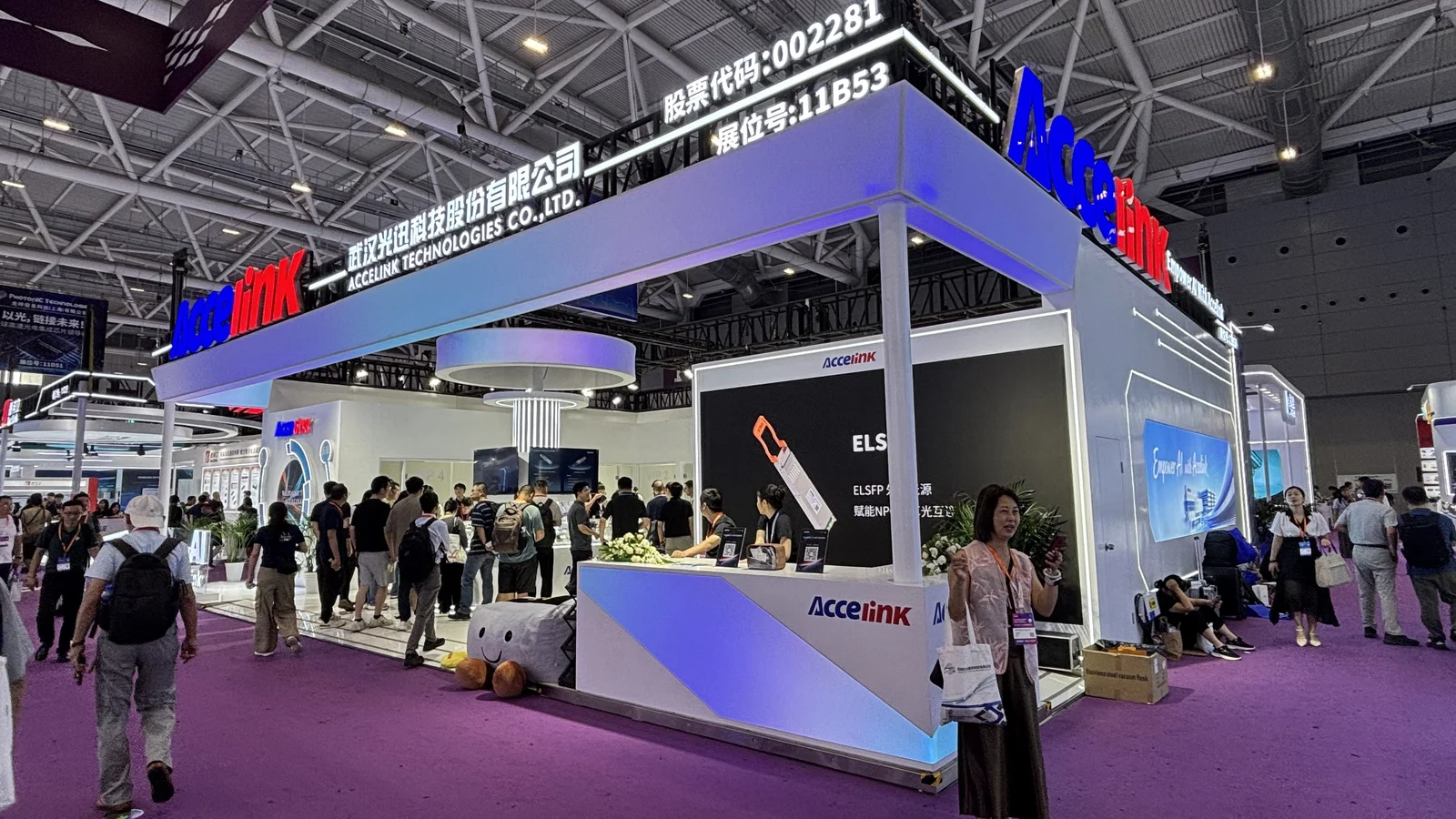
Accelink (光迅科技) — Demonstrated single-wave 400G technology and 800G L-band coherent modules that double fiber capacity without adding new fiber. For ODN, this "more bandwidth from existing fiber" approach is actually good news — it means the passive infrastructure already deployed can serve more capacity through active equipment upgrades, reducing the need for new cable plants in some scenarios.
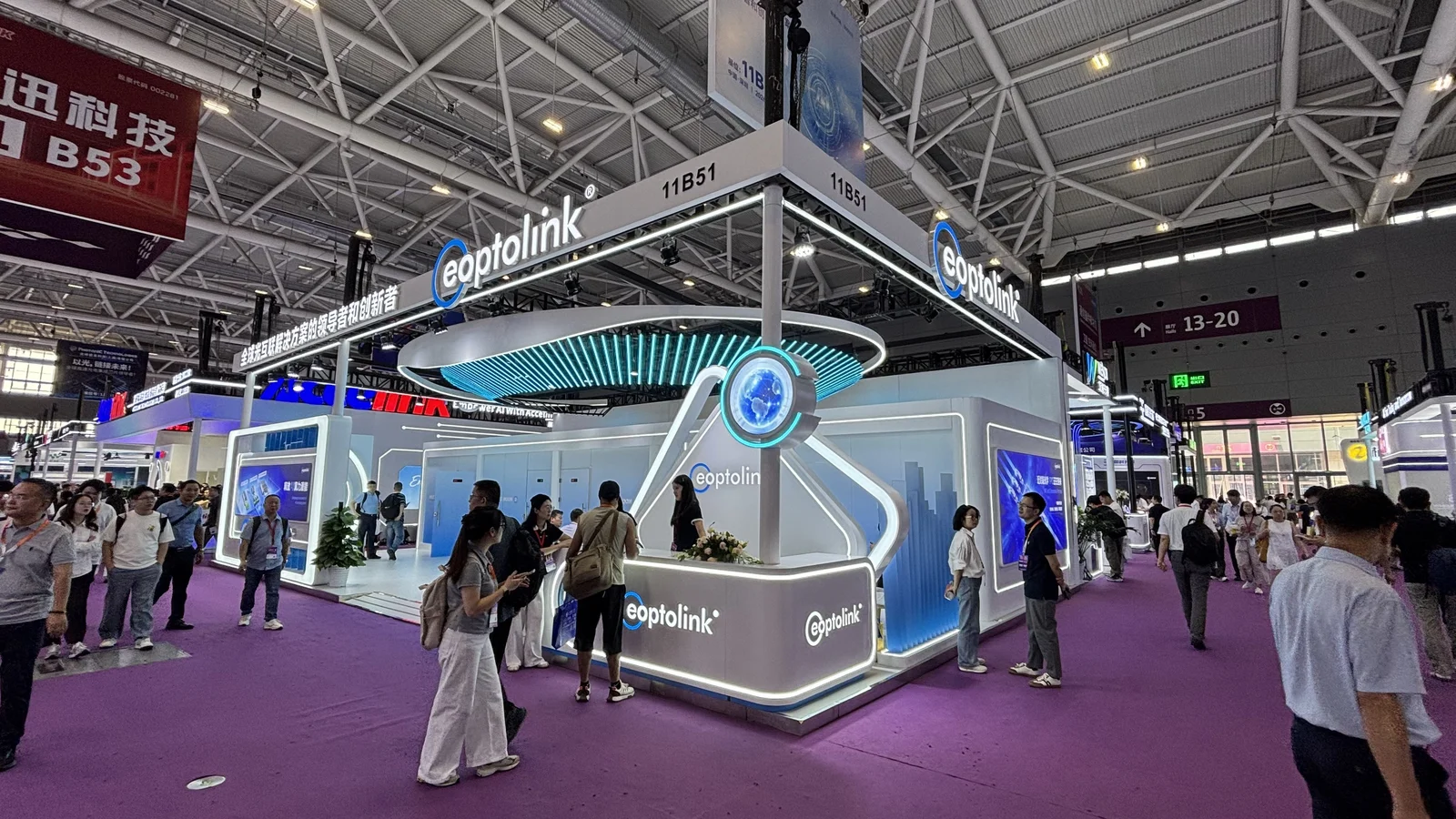
Eoptolink (迅科技) — Positioned itself as "the leader and innovator of all-optical interconnect solutions" at booth 11B51. The company showcased its next-generation optical transceiver modules designed for data center and telecom applications, signaling continued competition in the high-speed interconnect space that directly drives demand for higher-density ODN infrastructure.
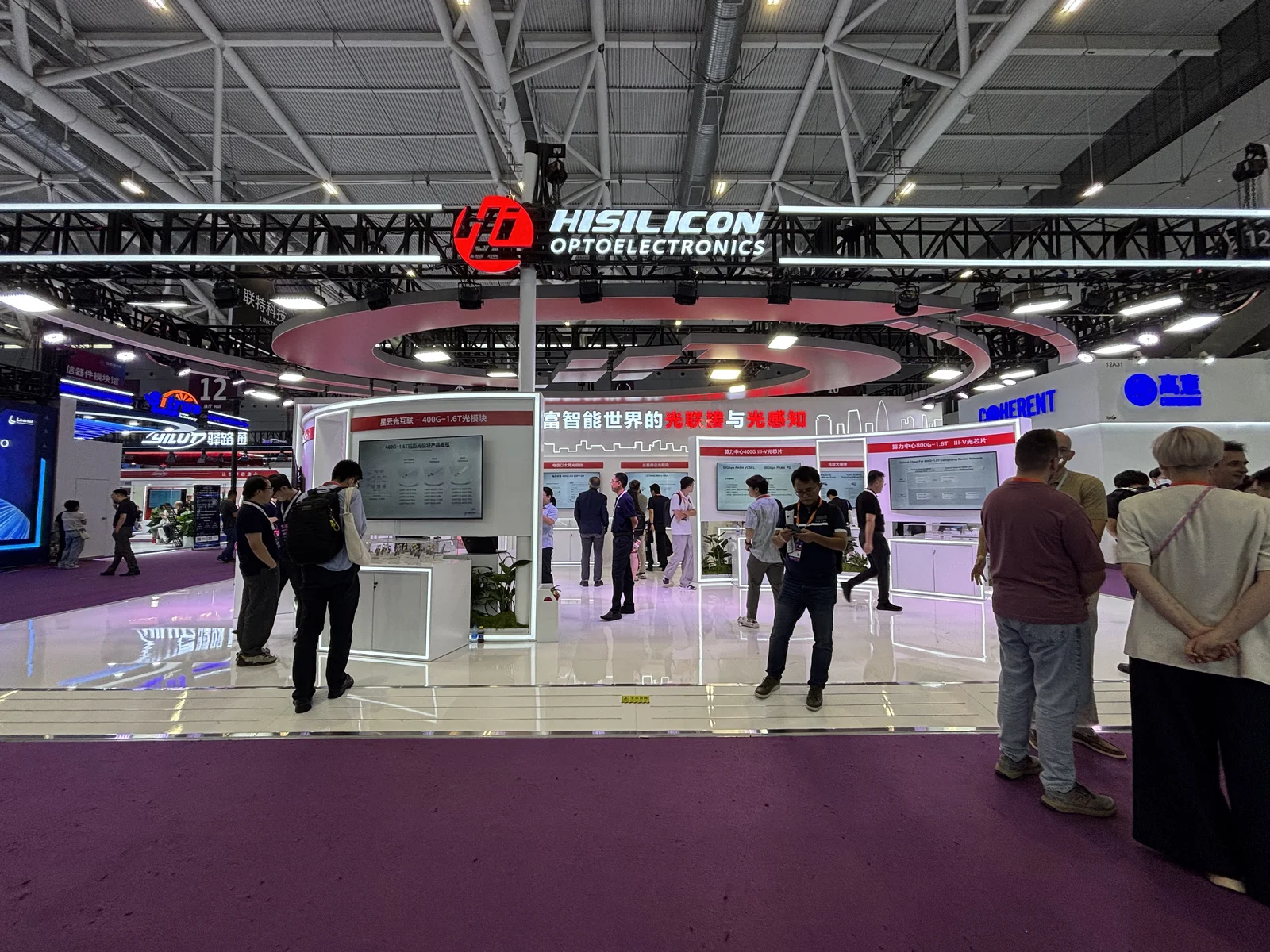
HiSilicon Optoelectronics (海思光电) — Displayed 400G optical modules and optical chip solutions under the theme "Enriching the intelligent world with optical connectivity and sensing." The company's emphasis on optical chips highlights the vertical integration trend in the optical supply chain, with implications for component standardization and ODN compatibility going forward.
Coherent (高意) — The international optical giant showed 6.4T CPO slot products and 12.8T XPO solutions spanning silicon photonics, VCSEL, and InP platforms. The density of these next-generation interconnect solutions means even more fiber management complexity at the data center level — more MPO connections, more fiber arrays, more patch panel ports per rack unit.
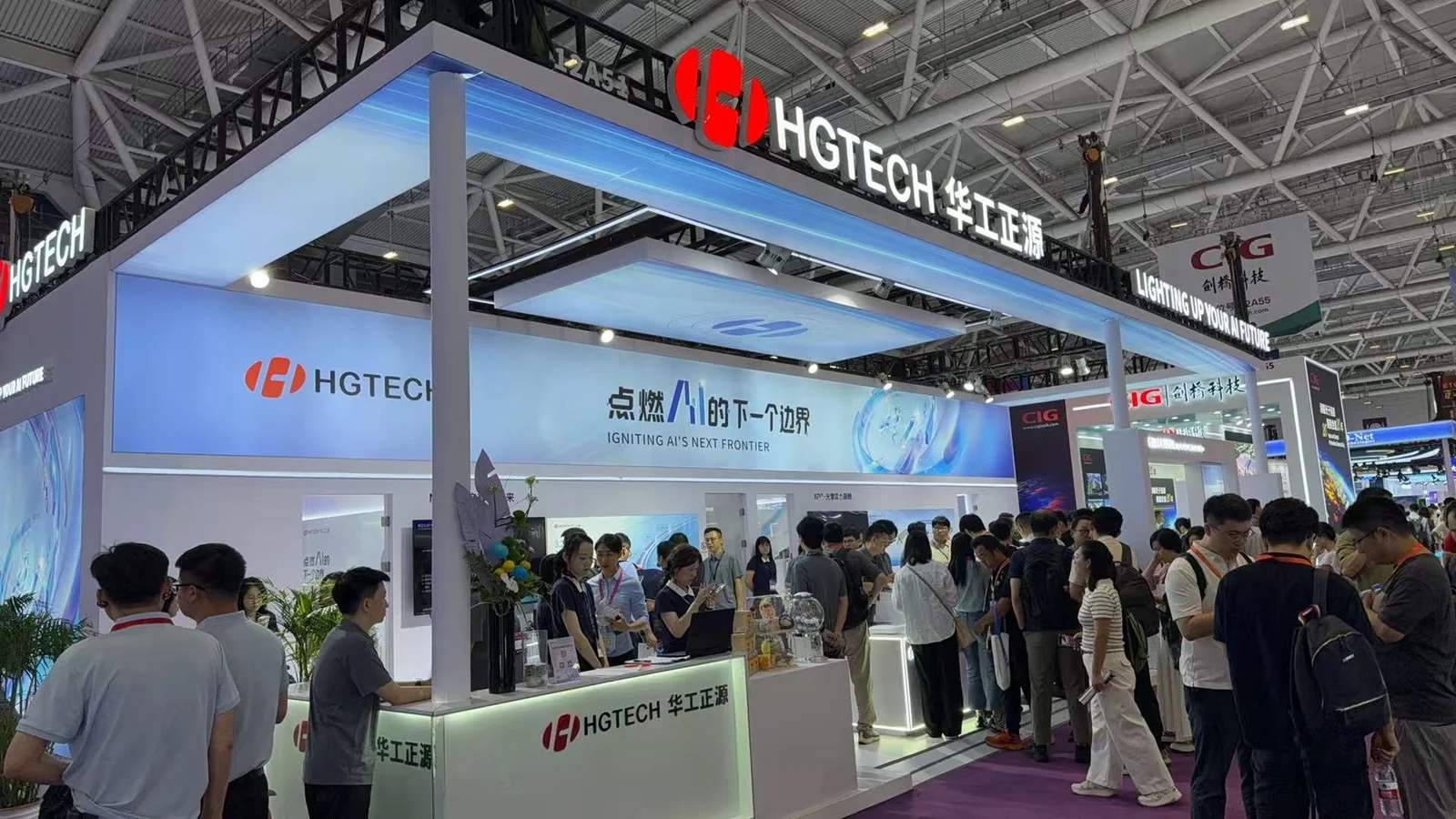
HGTECH (华工正源) — One of the most visited booths at CIOE 2026, HGTECH presented its AI-focused optical module portfolio under the slogan "Igniting AI's Next Frontier." The company, a subsidiary of Huagong Technology, is vertically integrated from optical chips to modules, and its high visitor traffic reflected the industry's intense focus on AI-driven optical interconnect demand.
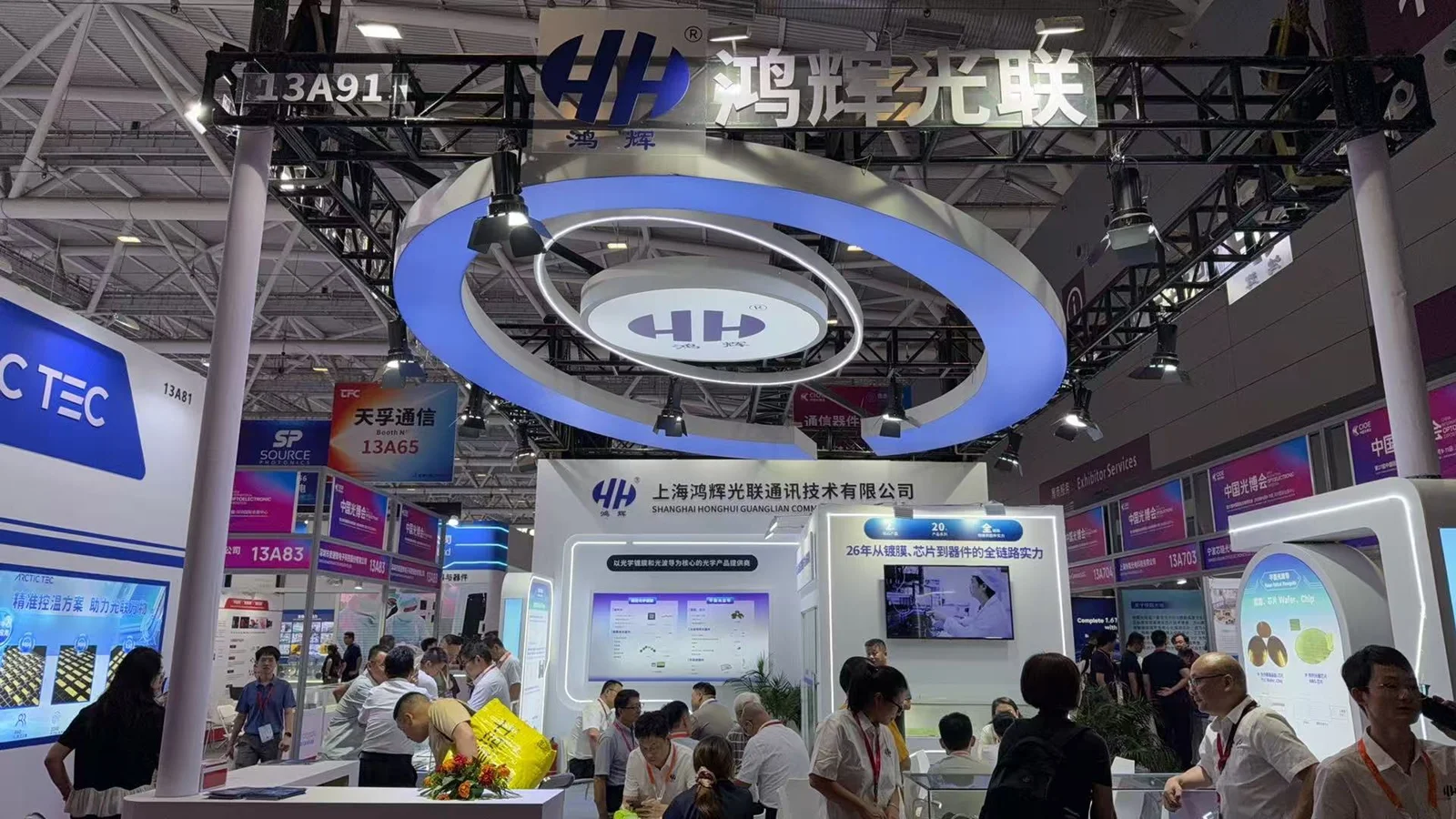
Honghui Guangliang (鸿辉光联) — The Shanghai-based optical component maker highlighted its "26 years of full-chain capability from coating to chips to devices." Their booth emphasized vertical integration in optical thin-film coating and waveguide technologies — a capability that directly supports the growing demand for high-quality passive and active optical components in next-generation ODN deployments.
The Bottom Line for ODN Buyers
CIOE 2026 told a clear story: the optical industry is in a sustained upcycle driven by AI infrastructure buildout, 50G PON deployment, and structural fiber supply tightness. For anyone buying or specifying ODN equipment — fiber distribution cabinets, optical distribution frames, splice closures, patch panels — the implications are practical:
First, plan for higher fiber density. The era of 96-port and 144-port cabinets as the standard deployment is ending. 288-port, 576-port, and 1,152-port configurations are becoming the norm as operators maximize the value of each cable plant entry point.
Second, upgrade your ODN specifications for 50G PON. If your current fiber distribution infrastructure was designed for GPON or early XG-PON deployment, it may not meet the loss budgets and power requirements of 50G PON systems. The 15th Five-Year Plan's explicit call for "ODN optimization" means this upgrade cycle has policy support behind it.
Third, treat passive infrastructure as a strategic asset, not a commodity purchase. When fiber costs 3–5x what it did two years ago, the quality of the hardware that terminates, distributes, and protects that fiber has an outsized impact on your total network cost. Better splice closures with lower insertion loss, higher-density ODFs with modular expansion paths, and properly rated outdoor cabinets are not luxury items — they are how you protect your fiber investment.
The three-day CIOE event is a snapshot. But the trends it reveals — AI fiber demand, 50G PON mass deployment, supply-driven strategic thinking about passive infrastructure — will define the ODN market through 2030. The question is not whether these trends are real. It is whether your ODN infrastructure is ready for what is coming.
Jergeo ODN Equipment for Next-Generation Fiber Networks
As the optical industry enters its most significant upcycle in a decade, passive ODN infrastructure quality becomes the differentiator between a network that performs and one that merely connects. Jergeo Fiber Distribution Cabinets — available in 72 to 1,152-port configurations with SMC and stainless steel enclosures — are designed for the high-density, high-reliability deployments that AI data centers and 50G PON networks demand.
In central offices and data center headends, Jergeo Optical Distribution Frames provide modular, scalable fiber termination with sliding-tray designs that support phased upgrades from 10G PON through 50G PON and beyond — without ripping out the existing infrastructure.
For fiber cable junctions in FTTX and data center interconnect deployments, Jergeo Fiber Splice Closures — horizontal and dome types from 24 to 288 cores — deliver IP65/IP67-rated protection with fiber management engineered for the tighter loss budgets of next-generation PON systems.
Explore ODN SolutionsRelated Products
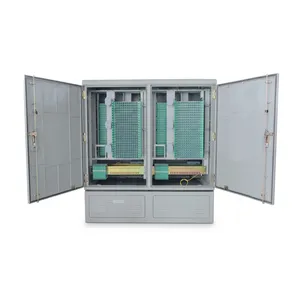
JFDC-1152A Fiber Distribution Cabinet
1,152-port high-density outdoor cabinet for AI data center and 50G PON fiber distribution — IP65/IP67 rated
View Product →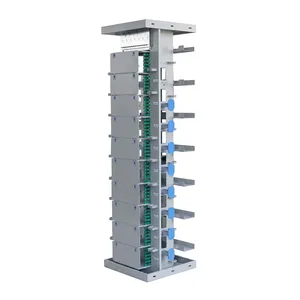
JODF-A1 Optical Distribution Frame
720-port 42U modular ODF with sliding-tray design for phased 50G PON and AI data center deployments
View Product →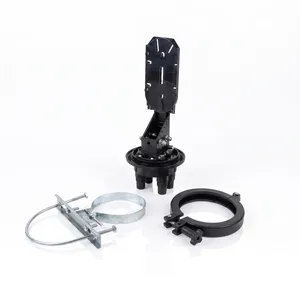
JFSC-L144A Fiber Splice Closure
144-core horizontal splice closure optimized for 50G PON loss budgets — IP68 rated for direct burial
View Product →Related Articles

China Fiber Optic Cable Demand Surges 75.9%
Global data center fiber demand surged 75.9% in 2025 to 69.6M fiber-km. What this means for ODN infrastructure.
Read Article →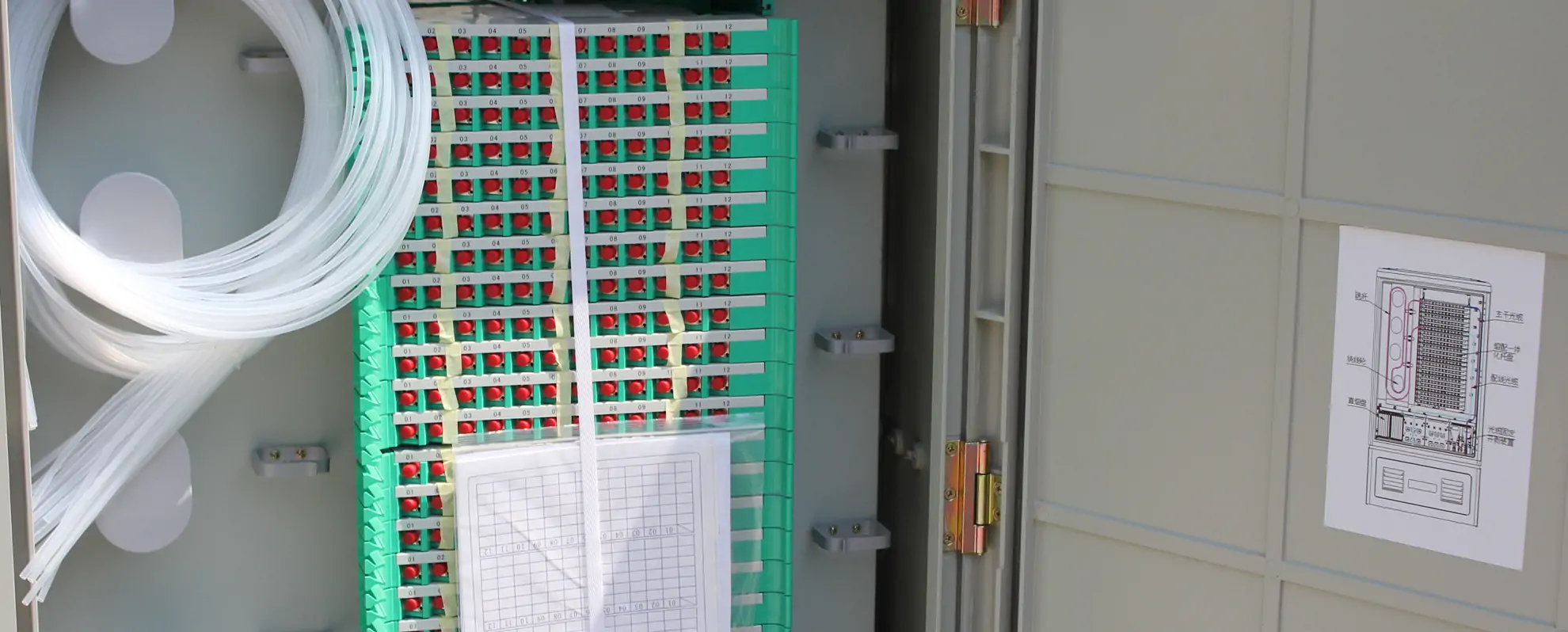
Fiber Optic Supply Squeeze: 180M Fiber-km Gap
180M fiber-km supply gap with 16.4% shortfall. What ODN buyers need to know about pricing and procurement.
Read Article →
China Mobile's Fiber Procurement Surge
69M fiber-km tender, 10.5M splice closures, 50G PON acceleration — the FTTX procurement wave and ODN demand.
Read Article →