Why AI Data Centers Need High-Density Fiber Management
By Jergeo Engineering Team | Published June 2026 · 6 min read
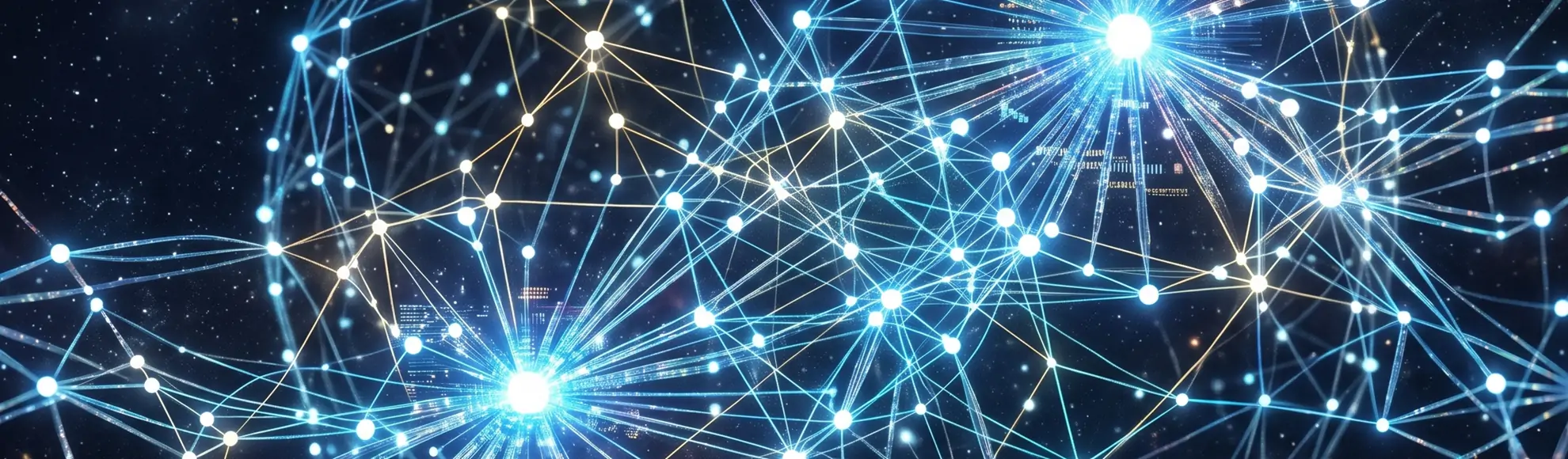
AI infrastructure growth has rewritten data center fiber management requirements. Traditional enterprise data centers needed 12-48 fiber ports per rack. AI training clusters — connecting hundreds of GPUs through InfiniBand or Ethernet — need 96-192 ports per rack, a 4-8x increase in density.
Summary
AI data centers require high-density ODFs (576+ ports per frame), structured fiber routing between GPU racks, and MPO-based patch panels to handle the massive inter-rack fiber count in training clusters.
The density problem
Each GPU in an AI training cluster connects to a network interface card (NIC) that uses 2-4 fiber pairs. A typical 8-GPU node requires 16-32 fiber connections. A rack holding 4-8 nodes needs 64-256 fiber terminations. Standard 1U fiber patch panels hold 12-24 LC duplex ports. You would need 4-8 panels per rack just for fiber, consuming precious rack space that should hold computing equipment.
High-density panels: the practical solution
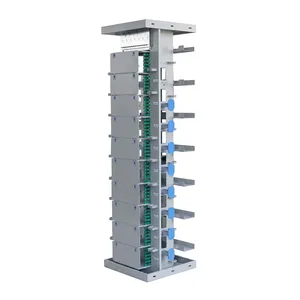
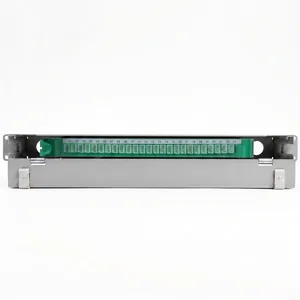
High-density fiber patch panels like the Jergeo JODF-U1 fit up to 144 LC ports in a single 1U chassis. The key innovation is independent wiring channels — each splice-and-distribution module has its own fiber routing path, physically separated from adjacent modules. When you need to re-patch port 96, you do not disturb ports 1-95.
This channel isolation is critical in AI data centers because workload topologies change more frequently than in traditional environments. GPU clusters are reconfigured for different training jobs, requiring fiber connections to be moved between top-of-rack switches and spine switches regularly.
Access design matters in hot aisles
AI data center racks generate 30-60 kW of heat, requiring sophisticated cooling systems — rear-door heat exchangers, direct liquid cooling, or high-velocity hot-aisle containment. These cooling systems block rear and side access to rack equipment.
That is why sliding (JODF-U3/U4) and rotary (JODF-U2) access designs are preferred in AI data centers. A sliding drawer extends from the front of the rack, giving full access to splice trays without needing side clearance. A rotary panel swings 180 degrees, exposing both sides of the tray for maintenance.
MPO compatibility for parallel optics
AI clusters now commonly use MPO connectors for 400G/800G parallel optics. MPO-12 and MPO-24 connectors carry 12-24 fiber cores in a single ferrule, increasing port density significantly. A 1U panel with MPO cassettes can terminate 72-144 fibers per rack unit.
Jergeo patch panels use modular adapter strips that accept FC, SC, LC, or MPO adapters in the same chassis. This hybrid approach lets you run MPO trunks for GPU-to-spine connections and LC jumpers for management network connections in the same panel.
Fiber price resilience
AI demand has driven fiber raw material prices up by approximately 400% since 2024. But patch panels and ODFs are made from cold-rolled steel — their cost is tied to sheet metal markets, not optical fiber. That gives procurement teams an edge: the hardware AI data centers need most is also the least affected by fiber price spikes. For teams on tight budgets, that stability matters.
Related Products
References
- Light Reading — telecom and data center industry news and analysis
- CRU Group — optical fiber and data center market research and price analysis
Key takeaway
AI data centers need high-density fiber patch panels with independent wiring channels, sliding or rotary access, and MPO compatibility. These panels are sheet metal products unaffected by fiber price volatility — making them both the most needed and most cost-stable component in AI data center fiber infrastructure.
Related products
Related Articles
FDC vs FDH vs ODC: What's the Difference?
Understand the three naming conventions for fiber cabinets and how to choose by function.
Read Article →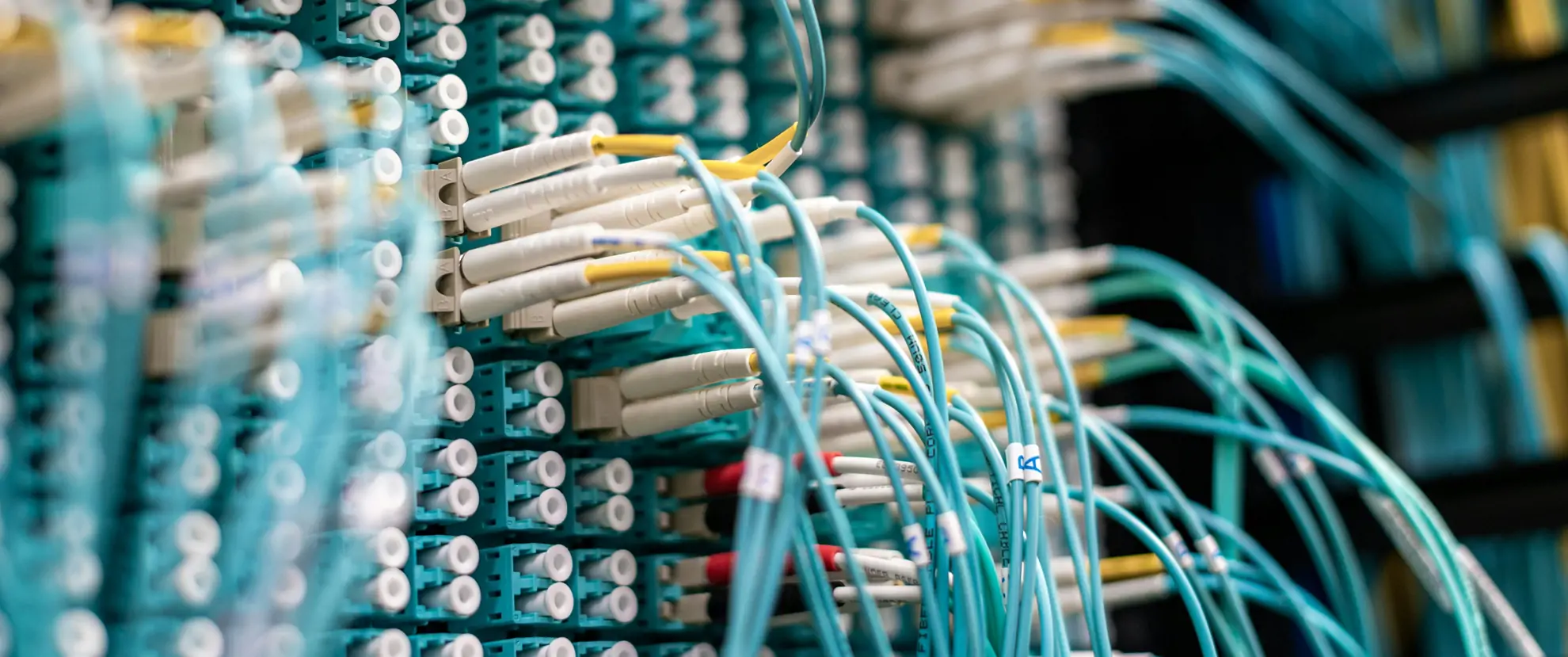
Fiber Optic Patch Panel Guide
How to choose the right patch panel for high-density AI data center fiber management.
Read Article →
How Fiber Price Surges Reshape Data Center Design
Impact of fiber cost increases on AI data center architecture and procurement strategy.
Read Article →